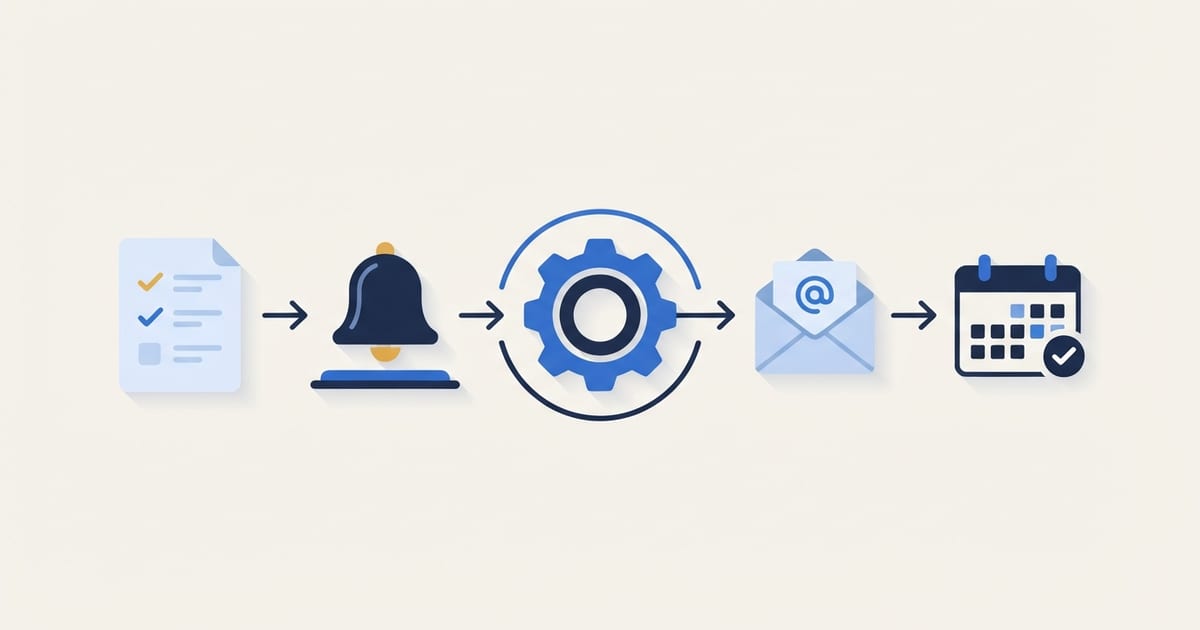
Automation is one of the most misunderstood topics in small business. Depending on who you talk to, it either means letting AI run everything or spending months building complex software systems. Neither of those is accurate.
I have noticed that younger business owners tend to gravitate toward speed. They want tools that do things instantly. They lean into AI hard, sometimes before they even have a process worth automating. Older business owners tend to think more carefully about structure. They understand that process matters, but they sometimes resist new tools because the landscape feels overwhelming.
Both groups are partially right. Speed matters. Structure matters. But automation is not about choosing one over the other. It is about building systems that work, based on my background building businesses and seeing what actually holds up over time.
How Different Business Owners Think About Automation
The younger crowd wants results fast. They see a new AI tool, sign up, and expect it to solve a problem by the end of the week. There is nothing wrong with that energy. But speed without structure usually creates more confusion than it solves.
The older crowd is more patient. They have been through enough cycles to know that real change takes time. They value documentation, training, and process. But sometimes that patience turns into hesitation, and opportunities get missed.
The best approach pulls from both sides. You need the willingness to move quickly combined with the discipline to build things that last. That is what real automation looks like in a small business.
Automation Isn't Just AI Bots
When most people hear "automation," they picture chatbots or AI tools doing things on their behalf. AI is part of the picture, but it is only one layer.
Real automation starts with structure. It starts with yes or no decisions. True or false logic. Step-by-step processes that are documented clearly enough that anyone in the business can follow them.
Before you ever plug in a tool, you need to know what the tool is supposed to do. That means mapping out how work actually flows through your business. Where do leads come in? What happens after someone places an order? Who follows up, and when?
Tools like AI Chat for Business can handle inbound communication and free up your team. But they work best when the rest of your operations are already organized. That is the foundation behind the automation services we provide.
Before I Build Anything, I Ask Questions
When I work with a business on automation, I do not start by recommending tools. I start by asking questions.
Where does your data live? Is it in spreadsheets, notebooks, someone's head, or all three? How do new employees learn how things work? Is there a documented process, or do they just shadow someone for a week and hope for the best?
What happens when a new order comes in? Who touches it first? Where does it go next? How do you know when something falls through the cracks?
If a business cannot clearly explain how it operates, automation will not fix it. You will just be automating confusion. That is why consulting and strategy work often comes before any tool gets implemented.
This Isn't About Building Massive Systems
Small businesses do not need enterprise-level platforms. They do not need dashboards with 40 metrics or integrations with every tool on the market.
Most of the businesses I work with need simple, clean workflows. A clear way to track orders. A reliable system for following up with leads. A process for handling finances that does not require guesswork.
The goal is not to build the biggest system possible. The goal is to build something that works and that the team will actually use. That is how we approach every engagement.
Why We Don't Automate Everything at Once
One of the biggest mistakes I see is trying to automate too many things at the same time. It feels productive in the moment, but it creates confusion fast.
When you change five things at once, you cannot tell which change actually made a difference. If something breaks, you do not know where to look. If something improves, you do not know what caused it.
I prefer to start small. Pick one process. Improve it. Measure the result. Then move to the next thing. Small wins lead to better decisions, and better decisions lead to stronger systems over time.
What This Looks Like in Practice
Every business is different, but the pattern is usually similar. We identify the biggest pain point, build a system around it, and then expand from there.
Sometimes that means setting up a lead capture system that actually follows up with people instead of letting inquiries sit in an inbox. Sometimes it means building a workflow tracker so the owner can see where every project stands without asking five different people.
Sometimes it is as simple as organizing operations so the business stops losing track of things. You can see examples of this in our real business case studies.
Where AI Actually Fits
AI is useful. I am not here to argue against it. It helps with speed. It helps with communication. It can capture opportunities that would otherwise be missed because no one was available to respond in time.
But AI works best when the underlying systems already exist. If your business does not have a clear process for handling leads, an AI chatbot will just collect messages that no one follows up on. If your operations are disorganized, AI will not magically organize them.
Think of AI as an accelerator, not a foundation. The foundation is structure. AI makes that structure faster and more responsive.
The Real Value Isn't Speed, It's Clarity
Here is what most people do not expect when they start automating: the biggest benefit is not speed. It is clarity.
When you automate a process, you are forced to define exactly how that process works. You have to write it down. You have to decide what happens at each step. You have to think about edge cases.
That exercise alone makes the business better. Even if the automation itself is simple, the act of defining your operations creates a level of clarity that most small businesses never achieve. And clarity leads to better decisions across the board.
If You Want to Start Automating the Right Way
If your business feels disorganized or you are not sure where to start with automation, I can help you break it down and build something that actually works.
I do not sell software packages or lock anyone into long-term contracts. I help business owners identify what needs to change, build the systems to support those changes, and then step back so the business can run on its own.
Free download, no email required
Automation Audit Scorecard
Score your recurring tasks by cost, readiness, and effort to see what to automate first and what to standardize before automating.
How to use it