Business Insights & Resources
Expert advice on bookkeeping, business growth, automation, and web design to help your business thrive in today's competitive market.
Latest Articles
How Do You Plan Capacity Before Promising a Deadline?
Check committed work, usable hours, dependencies, and bottlenecks before quoting a service deadline your team can realistically meet.

How Do You Spot Duplicate Expenses in Small Business Books?
Compare vendor, amount, date, payment method, and receipts before correcting duplicate expenses in small business books. Keep an audit trail.
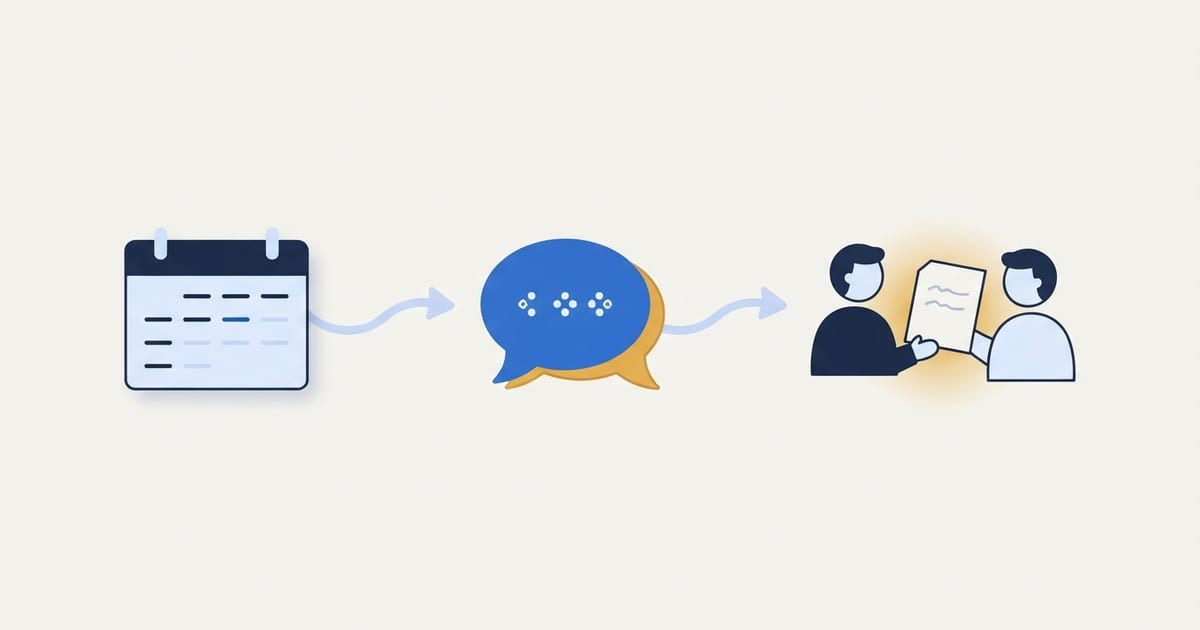
How Can a Small Business Automate Appointment Follow-Up?
Trigger a useful follow-up after completed appointments, prevent duplicate messages, and route complaints or scope changes to a person.
How Do You Write a Service Page That Answers Buyer Questions?
Explain fit, scope, process, proof, and the next step on a service page so qualified buyers can decide whether to contact your business.
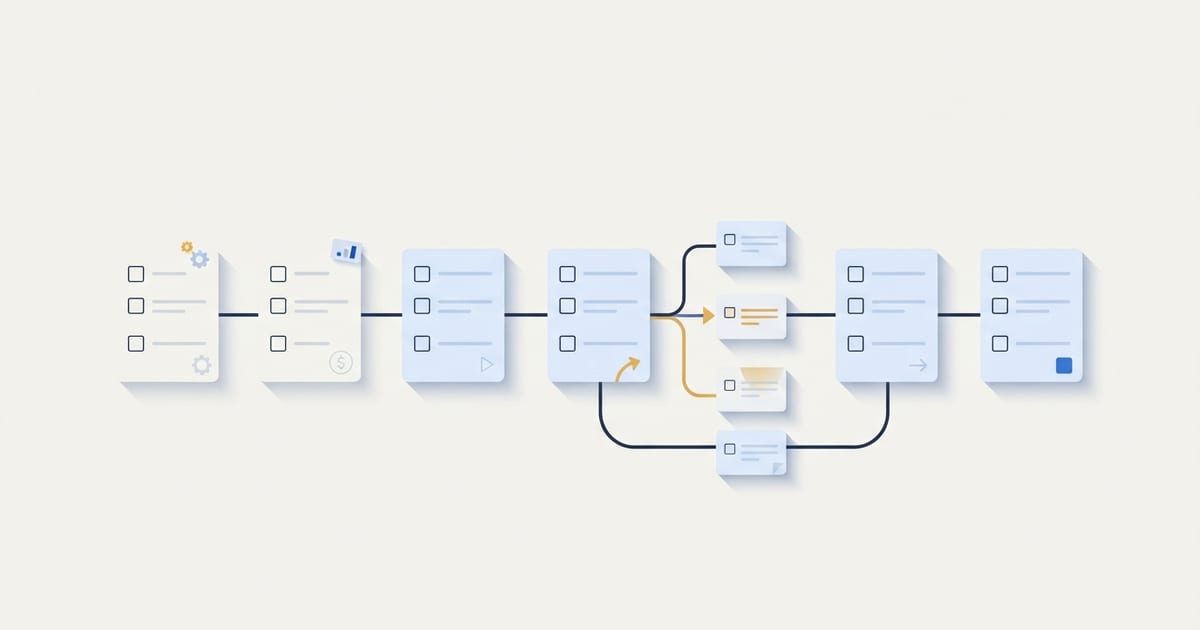
How Do You Document a Repeatable Service Process?
Turn one real job into a checklist with a trigger, owner, steps, handoff, exceptions, and a clear definition of done your team can test.
How Should a Small Business Review Accounts Receivable Aging?
Use an accurate aging report to prioritize invoices, resolve disputes, plan collection follow-up, and forecast when customer cash may arrive.
How Do You Stop Copying Data Between Business Apps?
Choose a source of truth, map only needed fields, and monitor failures so customer and job details move between apps without duplicate entry.
What Should a Service Business Homepage Answer?
A service business homepage should explain who you help, what you do, why buyers can trust you, and what happens after they contact you.
How to Map a Customer Handoff Without Losing the Details
Map the sales-to-delivery handoff: record the promise, name the receiving owner, confirm the first milestone, and catch scope gaps before work begins.
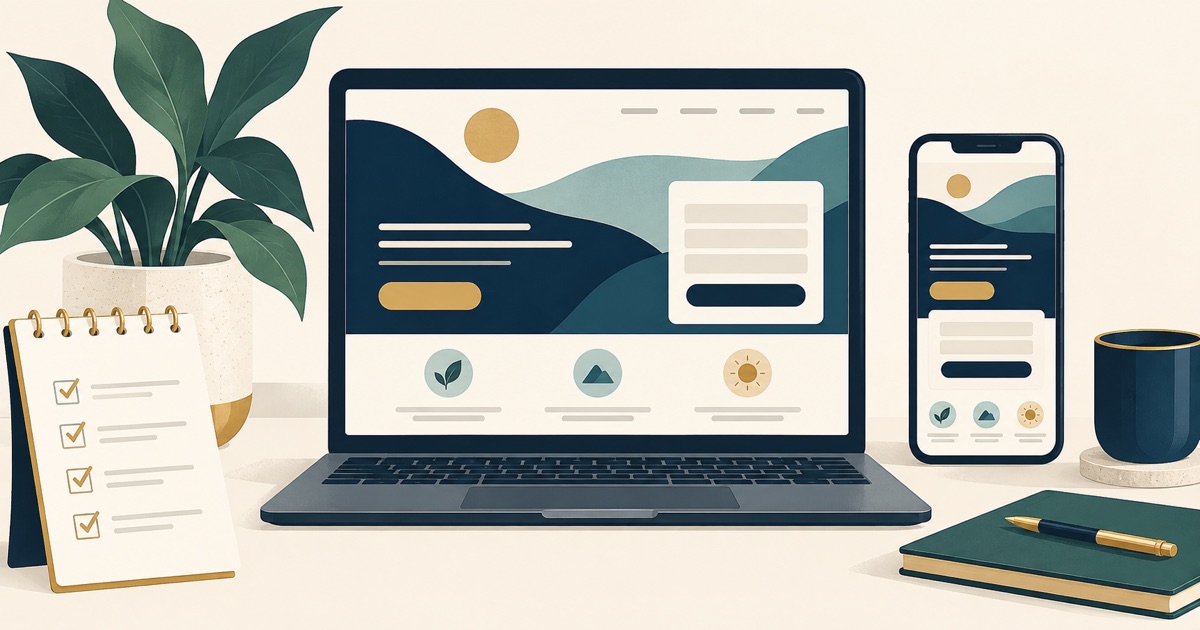
What Does a New Business Website Need Before Launch?
Your first website can be small and still do its job. Review the pages, calls to action, mobile experience, and search basics that matter before launch.
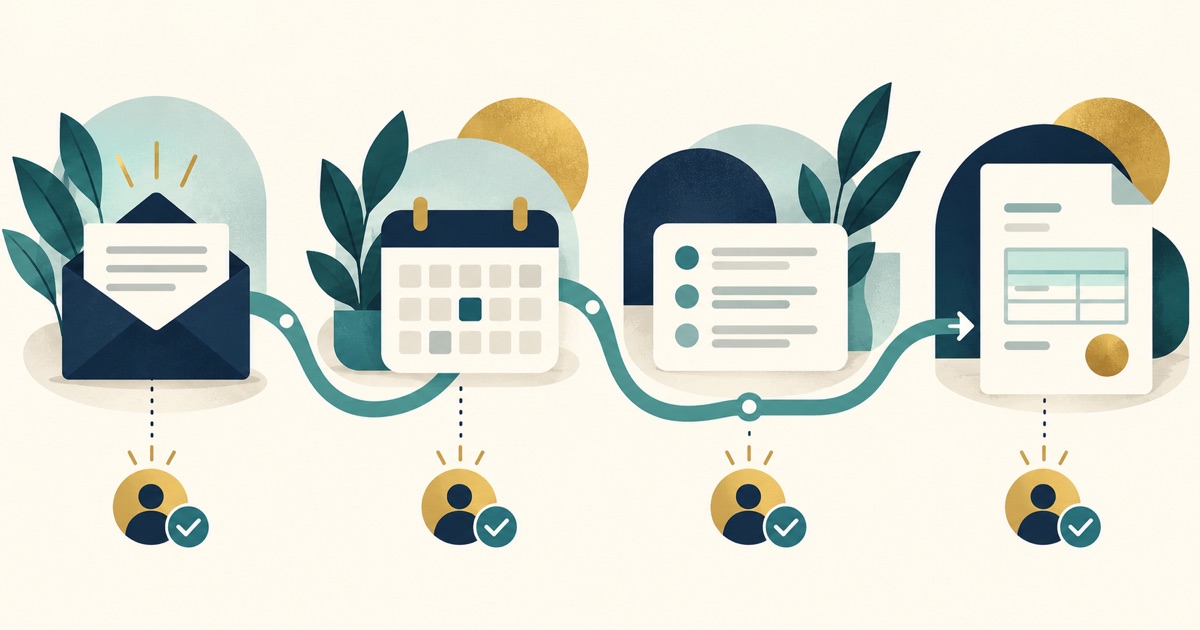
What Should a New Business Automate Before Launch?
The best launch automations protect the first customer experience. Start with four small handoffs, then add complexity only when the process works.

Starting Your First or Second Business? Why Pinstripe Fits
A new business needs more than a checklist. Here is why one practical partner across operations, numbers, and your website can make the launch easier to manage.
Showing 1–12 of 104 posts